What Is Search Intent and How To Optimize Content For It
Published April 9, 2026
If your content isn’t ranking or it’s ranking but not converting, there’s a good chance you’re missing one critical piece of the SEO puzzle: search intent. Understanding why someone searches is just as important as what they search. Once you align your content with that intent, everything changes. Rankings improve, engagement increases, and conversions follow. Our digital experts at Prager are here to explain what search intent is and how to optimize content for it.
What Is Search Intent?
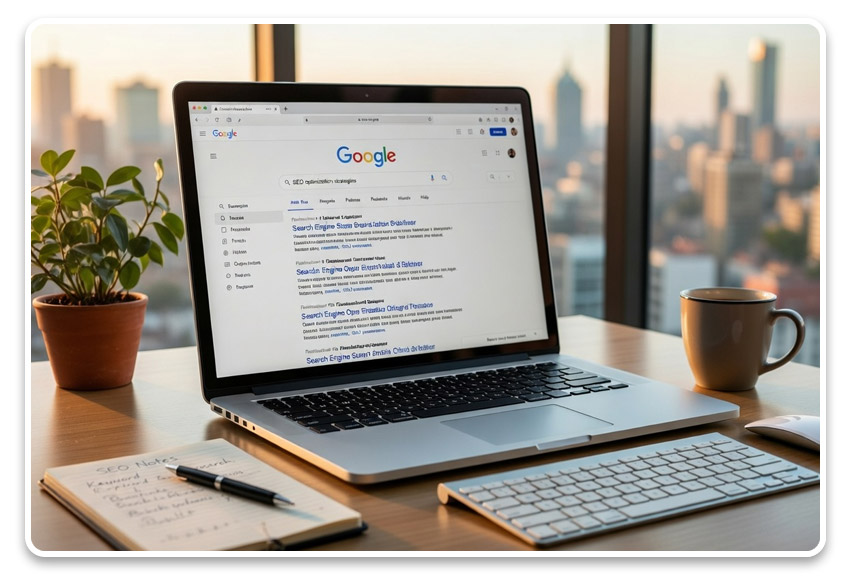
Search intent refers to the purpose behind a user’s search query. In other words, it’s the reason someone turns to Google in the first place. Whether they’re looking for information, comparing options, or ready to make a purchase, every search has an underlying goal.
For example, a user searching “how does SEO work” is likely looking to learn, while someone searching “SEO agency near me” is ready to take action. Even though both searches relate to the same topic, the intent behind them is completely different and your content needs to reflect that.
What Are the Types of Search Intent?
Search intent generally falls into four main categories. Understanding each type helps you create content that matches what users are actually looking for at every stage of their journey.
Informational Intent
Informational intent refers to searches where users are looking to learn something or find an answer to a question. These users are not ready to take action yet they are simply seeking knowledge or guidance. Examples include searches like “What is SEO?” or “How to fix a leaking roof.” Content that serves this intent should be educational in nature, such as blog posts, how-to guides, FAQs, and other resources that clearly explain a topic.
Navigational Intent
Navigational intent occurs when users are trying to find a specific website, brand, or page they already have in mind. These searches are less about discovery and more about getting to a known destination quickly. Examples include queries like “Facebook login” or “Prager Microsystems website.” The focus here should be on strong branding, clear site structure, and making it easy for users to reach the pages they’re looking for.
Commercial Intent
Commercial intent refers to users who are in the research phase and actively comparing options before making a decision. They are interested in solutions but are still evaluating which one is best. Examples of these searches include “Best digital marketing agency” or “SEO vs PPC.” This type of intent is best supported with comparison content, case studies, reviews, and service pages that help guide decision-making.
Transactional Intent
Transactional intent represents users who are ready to take action, whether that means making a purchase, booking a service, or contacting a business. These users have already done their research and are prepared to move forward. Examples include searches like “Hire SEO company” or “Get digital marketing services.” Content targeting this intent should focus on high-converting landing pages with clear, direct calls to action that make it easy for users to take the next step.
Why Search Intent Matters for SEO
Search engines have evolved far beyond simple keyword matching. Today, Google’s algorithms are designed to interpret the meaning behind a search and deliver results that best satisfy that intent. This means that even if your content includes the right keywords, it may not rank well if it doesn’t align with what users are actually looking for. A blog post won’t perform well for a highly transactional search, just as a service page won’t rank for an informational query.
When your content matches search intent, users are more likely to stay on your page, engage with your content, and take the next step. That combination of relevance and usability is exactly what search engines reward.
How to Identify Search Intent
Identifying search intent starts by analyzing the search results themselves. Google already gives strong clues by showing the types of content that rank for each query. If results are mostly blog posts, the intent is likely informational. If you see service pages or product listings, the intent is likely transactional.
You can also look at the wording of the search query. Terms like “how,” “what,” and “guide” usually signal informational intent, while “best,” “top,” or “vs” suggest comparison-based research. Action-driven phrases like “buy,” “hire,” or “near me” indicate the user is ready to take the next step. By combining these signals, you can better understand what users expect before creating content.
How to Optimize Content for Search Intent
Once you understand search intent, the next step is aligning your content with it. This begins with choosing the right format. Informational searches should lead to helpful blog content, while transactional searches should point to conversion-focused landing pages.
Structure also matters. Clear headings, short paragraphs, and a logical flow make content easier to navigate. Giving a direct answer early helps capture attention, while supporting details build trust and authority. Calls to action should match intent as well. If a user is ready to act, guide them toward contacting your business or requesting a service. Done correctly, this creates a smooth path from search to conversion.
Turn Search Intent Into Real Growth
Understanding search intent is key to an effective digital strategy, but applying it consistently takes expertise. At Prager, our SEO pros go beyond driving traffic. We build content strategies based on how your audience actually searches, helping you attract the right visitors and turn them into customers. If your content isn’t performing as expected, it may be time to reassess your approach to search intent.
Work With Prager’s Digital Experts Today
Ready to improve your rankings and create content that truly connects with your audience? Contact our digital experts at Prager today and let us help you turn search intent into measurable results or if you’re still not sure what search intent is and how to optimize content for it, we’re happy to walk you through it.